By Ven, lifestyle manager at Les Domaines de Chabran
The idea was always to offer an experience, a way of living, a glimpse of our life in the Alpilles.
When we started in 2019, our corner of Provence was already a popular place for holidays, with plenty of houses to rent, but none of them came with service. No one made breakfast. No one came by in the morning to see how you were and to tell you what was good at the market that day. There was no one to make your bed. So we did.
What you live when you stay with us is real: our version of Provence. The croissants at breakfast come from the best bakery in town, and we know because we tried them all. The wines in the cellar are the best local bottles, tasted a few (too many) times. The masseuse who comes to the house is our family’s own therapist, and I will gladly tell you how Alain had the tough job of taking back-to-back massages every day until we found “the one”.
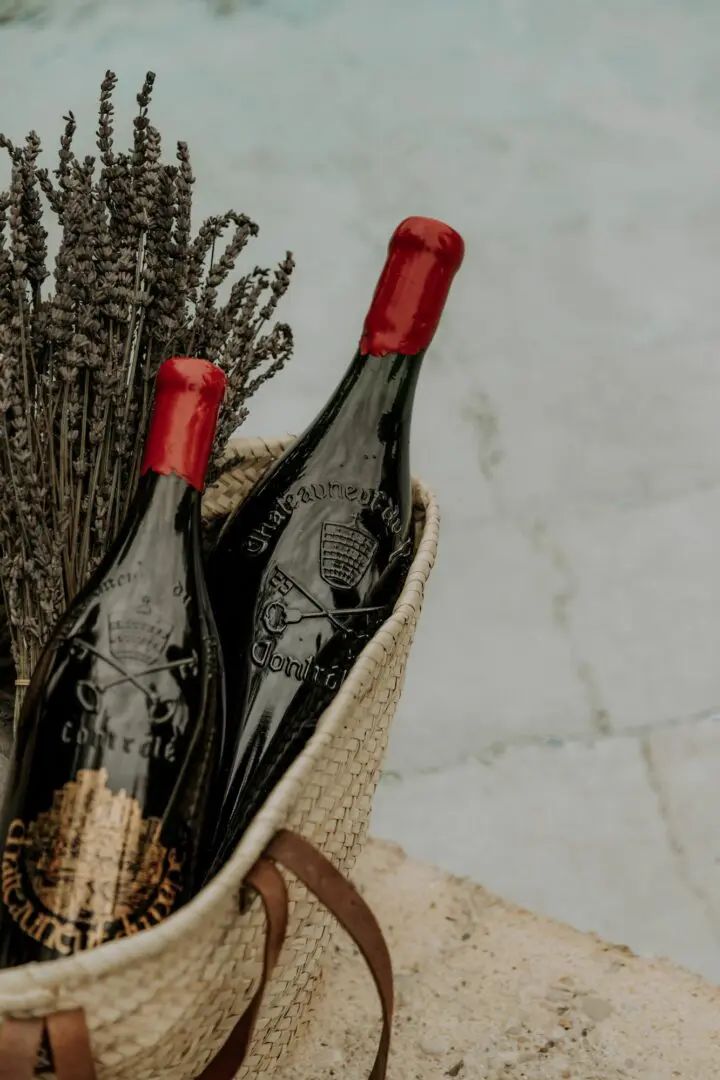
In winter I take the time to go and see people, and it is a real pleasure to discover new tastes, new talents and new things. Take last Friday. We took the car and drove out to Châteauneuf-du-Pape, an uneventful fifty minutes on the road, and then beautiful countryside once you arrive. I went with my beloved, because yes, the whole family gets involved, and with a couple of trusted partners who were in town for the weekend.
We went to see the region famous for its red wines, and to meet a local sommelier in his own cellar, built in the thirteenth century, beneath his house. You step into candlelight: stone arches, one chamber opening into the next, cases and cases of wine. You feel history all around you. I thought of all the people who have lived, worked and stored wine down there for seven centuries.
What followed was a late morning of stories, discovery and a few laughs. Great wine was a given, and we were all surprised by a white Châteauneuf-du-Pape: smooth, buttery, velvety. A white of pure seduction.
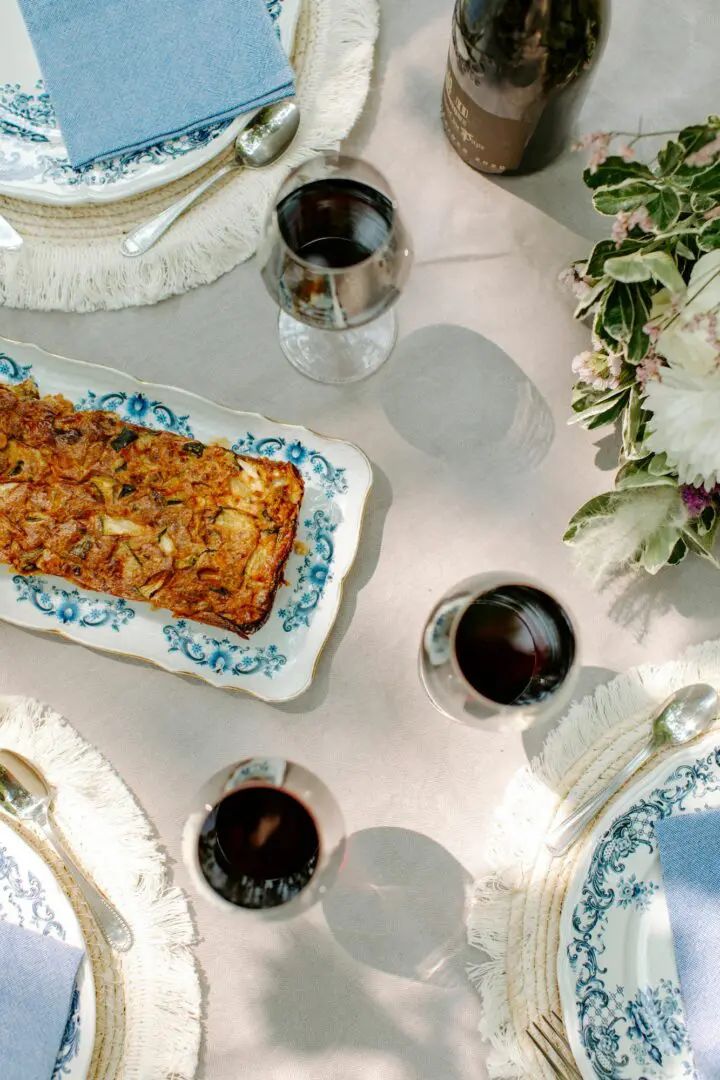
When we walked into the cellar at eleven, the smell of cooking wrapped itself around us, but I was in no way ready for what was, and still is, one of the best meals I have had in a long while.
The chef works right there in front of you. After the tasting we were invited to the table, and when I say chef David delivered, you can trust me, he did.
Classic French cooking, not fancy, but refined and simply good. The best of the market, deeply seasonal: the kind of food that made French cuisine an authority.
Each plate came with a different Châteauneuf-du-Pape, and that special white arrived with monkfish and blue lobster from Brittany in a morel sauce. Like Julia Child after her first lunch in France, I still dream of this dish.
This is not a lunch for those who like to show restraint: four courses and a cheese board, finished with a pear poached in brandy, vanilla ice cream and a chocolate crisp.
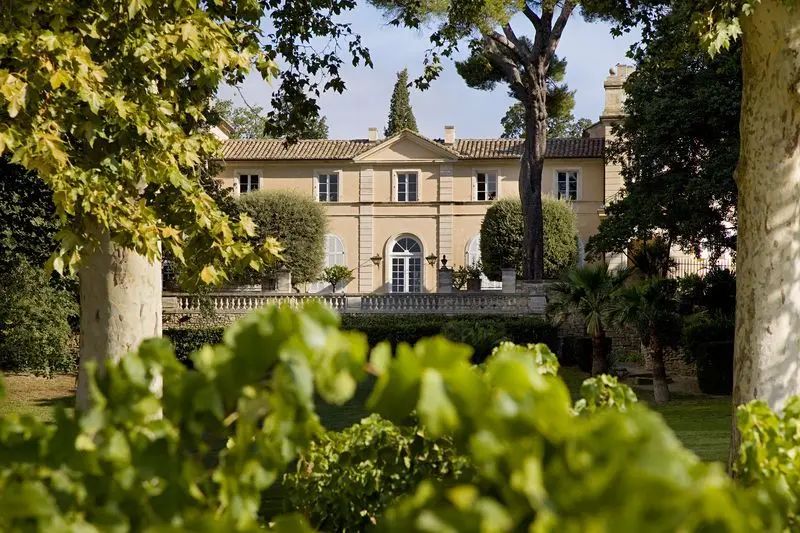
And this is why you have to live each experience before you recommend it. Ambitiously, I had booked another winery after lunch, and not just any: Château La Nerthe, the estate to visit in Châteauneuf-du-Pape. Of course we went. La Nerthe is a good partner of ours, and the head sommelier was waiting for us. The cellar, again, is steeped in history, its oldest part still holding bottles from the early days, with ancient stone walls and rows of casks. La Nerthe is what you picture when you hear the words “historic French winery”, and the team who welcomed us was wonderful. But after a lunch of such opulence, it was hard to follow.
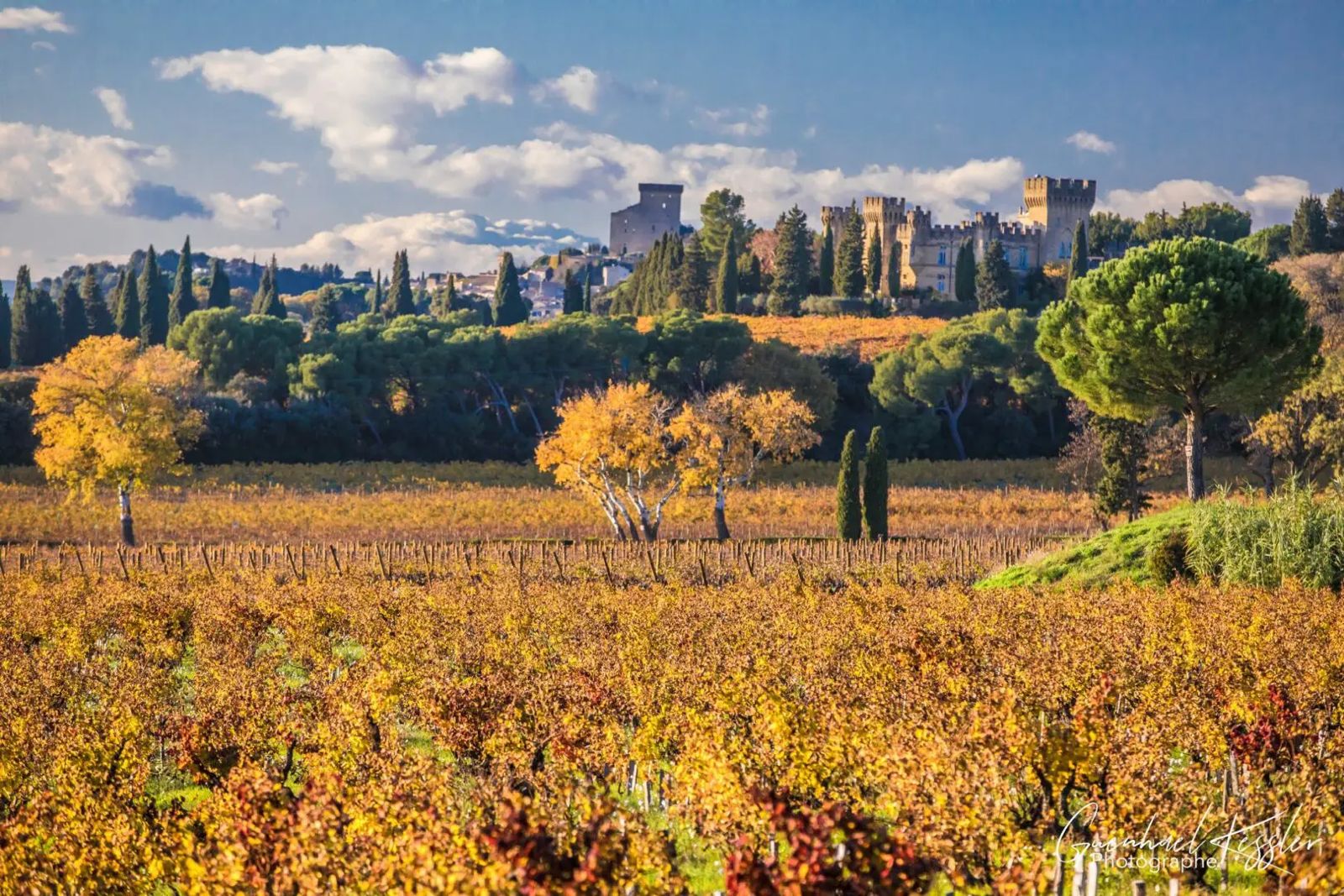
So for our guests, and for our next visits, I would say: go to the winery first. Or do nothing at all afterwards. Walk around, perhaps climb to the château on top of the hill, and savour the best meal you have had in a long time.
Ven is Liliana’s sister and the lifestyle manager of Les Domaines de Chabran. She runs the houses day to day, plans every stay with our guests, and has lived in the Alpilles for nearly six years.